





Dashcam Footage After a Michigan Car Accident: How to Preserve and Use the Video
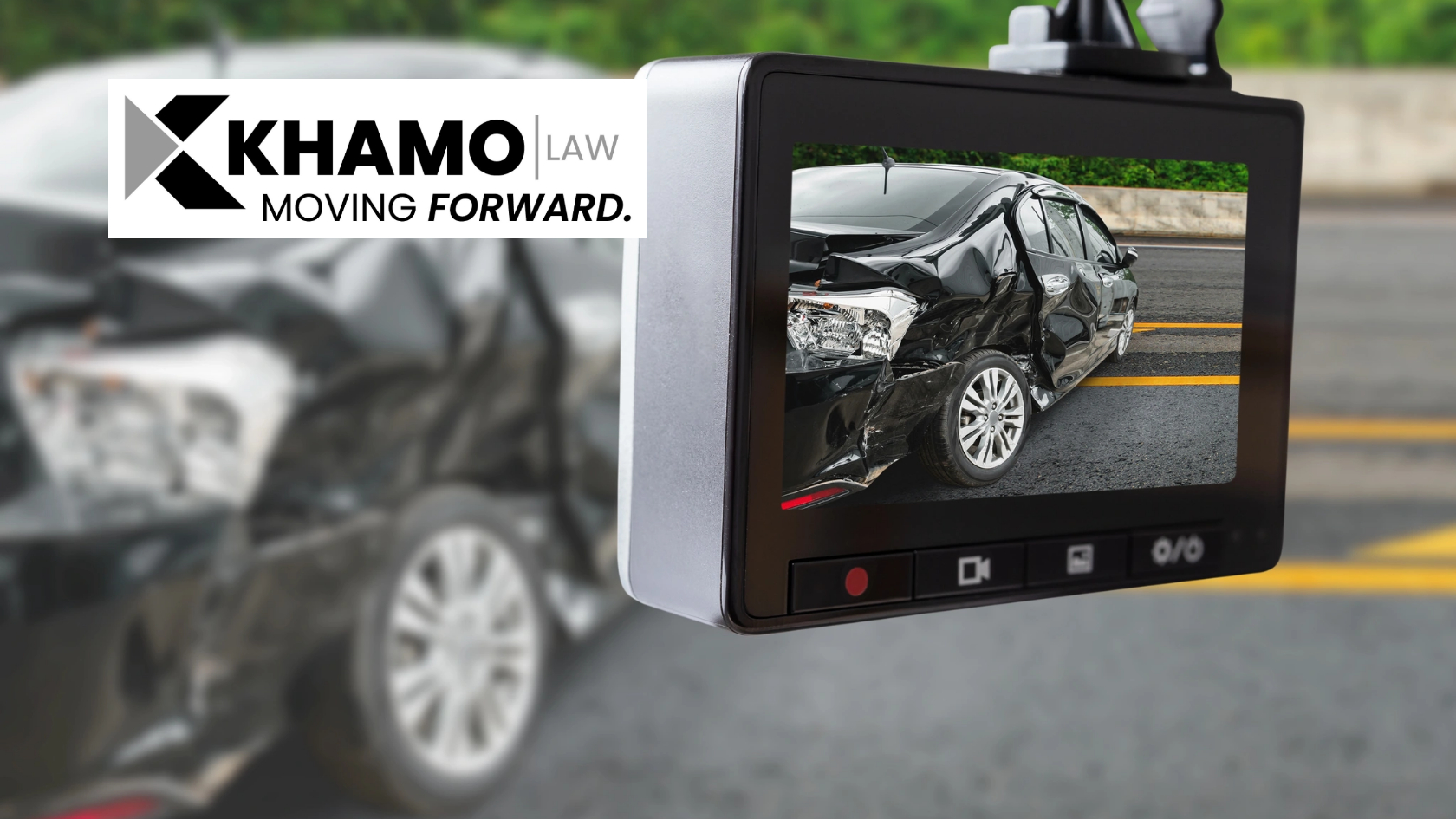
A dashcam can capture crucial evidence in the seconds before, during, and after a Michigan car accident. It may show which driver had the right of way, whether a traffic signal changed, how vehicles were positioned, or whether another driver made a sudden lane change.
But simply having dashcam footage does not automatically prove a case.
How the video is preserved, what it actually shows, and whether the complete original recording remains available can all matter.
If your dashcam recorded a Michigan crash, one of the most important things you can do is preserve the original footage before it is overwritten, edited, lost, or accidentally deleted.
Can Dashcam Footage Be Used After a Michigan Car Accident?
Potentially, yes.
Video can be valuable evidence when determining how a collision occurred.
Depending on the camera’s position and what it captured, footage might show:
- Traffic signals
- Stop signs
- Vehicle positions
- Lane changes
- Turns
- Following distance
- Road conditions
- Weather
- Pedestrians or bicyclists
- Events immediately before impact
- Events immediately after the collision
Video may be particularly useful when drivers give conflicting accounts of what happened.
For a broader explanation of evidence, insurance claims, compensation, and Michigan automobile law, visit our Michigan Car Accident Lawyer page.
What Should You Do With Dashcam Footage Immediately After a Crash?
Preserve it.
Many dashcams continuously record and overwrite older footage when the memory card becomes full. Depending on the device and settings, important crash footage could eventually disappear.
As soon as it is safe and practical:
- Protect the original recording from being overwritten.
- Save a copy to another device or secure storage location.
- Preserve footage from before and after the collision—not merely the moment of impact.
- Keep the original file whenever possible.
- Do not edit, crop, add captions, apply filters, or otherwise modify the original.
- Preserve information associated with the recording, such as date and time data when available.
Creating a backup is different from altering the original evidence.
Why Should You Save Video From Before and After the Crash?
The actual impact may tell only part of the story.
Footage from before the collision could show:
- How traffic was moving
- Which vehicle entered an intersection first
- Whether a driver changed lanes
- Whether a traffic light was red or green
- Whether another vehicle was following too closely
- Weather and road conditions
- The sequence of events leading to the crash
Footage immediately afterward may also capture vehicle positions, statements, traffic conditions, or other potentially relevant details.
Preserving a broader segment of the recording provides context.
Can Dashcam Footage Prove Who Caused the Accident?
It can be powerful evidence, but the answer depends on what the camera actually captured.
For example, a video might clearly show another vehicle entering an intersection against a red light.
In another accident, the footage may show only part of the collision and leave important questions unanswered.
A camera also has a limited field of view. Something that occurred outside the frame may still be relevant.
Dashcam footage should therefore be evaluated together with other evidence, which can include:
- Police reports
- Witness statements
- Photographs
- Surveillance video
- Vehicle damage
- Scene evidence
- Electronic vehicle information
- Medical records
- Accident reconstruction evidence in appropriate cases
Can Your Own Dashcam Footage Hurt Your Case?
Yes.
Dashcam footage is evidence, and evidence does not necessarily favor the person who possesses it.
Your recording might show conduct that another driver, insurer, or defense attorney argues contributed to the collision.
For example, footage could potentially raise questions about:
- Speed
- Following distance
- Lane position
- Traffic signals
- Distraction
- Driver statements
- Events occurring before the crash
Michigan’s comparative-fault rules can make evidence of each driver’s conduct important.
For that reason, do not assume that a recording is helpful simply because it came from your vehicle.
Should You Edit the Video Before Giving It to Someone?
Generally, preserving the original unedited recording is important.
Creating a shorter copy for convenient viewing is different from replacing or destroying the original.
Avoid altering the original file by:
- Cutting out portions
- Changing playback speed
- Adding text or graphics
- Applying filters
- Removing audio
- Combining clips
- Exporting over the only original copy
If a dispute later develops about what the recording shows or whether it has been altered, retaining the original can become important.
Should You Post Dashcam Footage on Social Media?
Be cautious.
Posting crash footage publicly can make it available to insurance companies, defense attorneys, witnesses, and others.
A short clip may also lack context. Comments or captions accompanying the video could later become relevant to a dispute.
Preserving potentially important evidence is different from publishing it.
If the crash resulted in serious injuries or a disputed insurance claim, consider obtaining legal advice before publicly posting the footage.
What If the Other Driver Has a Dashcam?
The other driver’s recording may be important too.
If you notice a dashcam in another vehicle after the collision, document that fact if you can safely do so.
Video does not necessarily remain available forever. Some devices automatically overwrite old recordings, and businesses may also retain surveillance video for limited periods.
This is one reason evidence preservation can become important soon after a serious collision.
What If a Nearby Business Recorded the Accident?
Dashcams are only one potential source of video.
Depending on where a collision occurred, cameras may be located at:
- Gas stations
- Restaurants
- Retail stores
- Apartment buildings
- Office buildings
- Parking structures
- Homes
- Other vehicles
Whether footage exists and whether it can be obtained depends on the circumstances.
Because surveillance systems may automatically overwrite recordings, identifying potential sources early can be important.
What About Traffic Cameras?
Seeing a camera near an intersection does not necessarily mean that a retrievable recording of your accident exists.
Some traffic equipment is used for traffic management or signal operation rather than recording and storing video for later public retrieval.
If a collision occurs near governmental or transportation infrastructure, determining whether potentially relevant records exist may require identifying the agency responsible for the particular equipment.
Does the Date and Time on the Dashcam Matter?
Potentially.
Some dashcams store timestamps, GPS information, speed information, or other data.
That information may help provide context, but it should not automatically be assumed accurate. Device settings can be incorrect.
Preserve the original file and associated information rather than attempting to “correct” the recording yourself.
What If the Dashcam Shows Speed?
Some devices record or display speed information.
That data may become relevant, but its significance depends on the device, accuracy, circumstances, and other evidence.
Do not modify or remove data simply because you believe it could be unfavorable.
Preserving original evidence is important.
Can an Insurance Company Ask for Your Dashcam Video?
Potentially.
Once an insurance claim or lawsuit exists, evidence relevant to the collision may become important to the parties involved.
Exactly what must be produced and when depends on the circumstances.
If you have footage from a serious crash and an insurer requests it, consider obtaining legal advice before altering, deleting, publishing, or making decisions about the recording.
What If You Accidentally Deleted the Dashcam Footage?
Stop using the memory card or device if doing so may cause additional data to overwrite the deleted recording.
Whether deleted footage can be recovered depends on the device and what happened after deletion.
Do not create or alter evidence in an attempt to reconstruct something that no longer exists.
Other sources of evidence may still help establish how the collision occurred.
How Does Dashcam Evidence Affect a Car Accident Settlement?
Strong video evidence can potentially reduce uncertainty about how a crash occurred.
But liability is only one part of a Michigan automobile injury claim.
A case can still involve disputes concerning:
- Whether the crash caused the injuries
- Severity of the injuries
- Medical treatment
- Lost income
- Insurance coverage
- Future limitations
- Noneconomic damages
- Comparative fault
For example, clear footage establishing that another driver caused the collision does not automatically determine how pain and suffering is evaluated after a Michigan car accident.
Similarly, evidence disputes, medical treatment, insurance negotiations, and litigation can affect how long a Michigan car accident case takes to resolve.
Does Dashcam Footage Affect Michigan No-Fault Benefits?
Michigan No-Fault/PIP benefits and a liability claim against another driver involve different legal issues.
Dashcam footage may be highly relevant to determining who caused a collision. PIP benefits, however, operate under Michigan’s No-Fault framework and have separate eligibility and coverage rules.
If you’re dealing with PIP coverage, unpaid medical expenses, wage loss, or other No-Fault issues, our Michigan No-Fault Insurance Lawyer resource explains those claims in greater detail.
What Other Evidence Should You Preserve After a Michigan Car Accident?
Even when dashcam footage exists, preserve other relevant evidence.
Depending on the circumstances, that can include:
- Photos of vehicle damage
- Photos of the accident scene
- Photos of visible injuries
- Contact information for witnesses
- Police-report information
- Medical records
- Insurance correspondence
- Repair documentation
- Employment and wage-loss records
- Relevant video from other sources
A dashcam recording can be extremely useful, but it should not cause other evidence to be overlooked.
Frequently Asked Questions About Michigan Dashcam Footage
Are Dashcams Legal in Michigan?
Michigan law regulates equipment and objects that obstruct a driver’s vision through a windshield, so where and how a camera is mounted matters. Drivers should make sure their device is installed consistently with applicable Michigan law rather than assuming any windshield placement is permitted.
Should I Give the Other Driver My Dashcam Footage at the Accident Scene?
You generally do not need to resolve evidentiary issues at the roadside. Focus first on safety, obtaining appropriate medical assistance, exchanging required information, reporting the crash when required, and preserving the recording.
Should I Delete Footage That Makes Me Look Bad?
No. Do not destroy or alter potentially relevant evidence.
Is Dashcam Footage Enough to Win a Car Accident Case?
Not necessarily. Video can be powerful evidence, but a claim may still involve questions about injuries, causation, damages, insurance coverage, and comparative fault.
Should I Save Only the Crash Itself?
Preserve a longer segment when possible. Events before and after impact may provide important context.
What If There Was No Dashcam?
A car accident claim does not require dashcam footage. Police reports, witnesses, photographs, surveillance video, vehicle evidence, and other information can help establish what occurred.
Talk to a Michigan Car Accident Lawyer About Crash Evidence
When a dashcam captures a serious collision, preserving the recording correctly can be just as important as having the recording in the first place.
Do not overwrite, delete, edit, or publicly post potentially important footage without considering how it may affect the claim.
Khamo Law Accident & Injury Lawyers represents people injured in motor-vehicle accidents throughout Michigan. Our attorneys can investigate the collision, evaluate available video and other evidence, communicate with insurers, and determine what evidence may need to be preserved.
Learn more about automobile injury claims on our Michigan Car Accident Lawyer page.
For a free consultation, call 248-466-0606 or contact Khamo Law online.